 Streaming Learning Center Where Streaming Professionals Learn to Excel

Related Articles


New Service by Unified Patents Assists Companies with Patent-Related Royalty Claims
Monday, September 10, 2018
2:00 PM EST
Register below
Companies deploying HEVC and other video technologies face skyrocketing licensing costs and uncertainty about future demands. In 2017, Apple paid Nokia $2 billion dollars in unexpected H.264 royalties, while last month Chinese smartphone manufacturer Huawei was ordered to pay PanOptis $7.7 million for use of a single H.264 patent.
With HEVC, the are three patent pools each claiming essential IP and demanding progressively higher royalties. Many companies have yet to join a pool or take a license, leading the head of MPEG to call HEVC licensing broken.
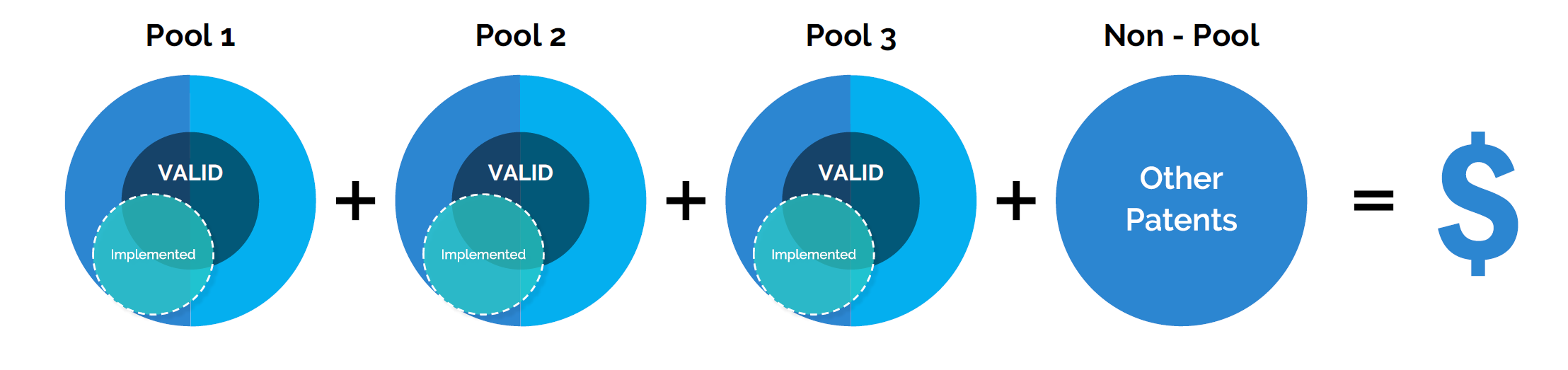
These issues are caused by standardization itself. Perverse incentives allow companies to “over-declare” which of their patents are essential. This lack of oversight also extends to the validity of these patents. When multiple or pools of companies start demanding unsubstantiated prices for these patents, this leads to a stack of royalties that far exceeds the fair and reasonable value of the standard.
Overall, these abuses make it challenging to cost-effectively deploy standards-based technologies. In response, Unified Patents has launched a first-of-its-kind program––their Video Codec Zone–-to provide extensive patent-related data to technology implementers, enabling more informed decisions, and countering the abusive behaviors by some licensors. The service includes a database of worldwide HEVC and H.264 patents, and uses AI, experts, and challenges to help:
- Identify which patents are or may be essential to a standard;
- Assess the strength and validity of patents arrayed against implementation; and
- Provide an estimate for the overall value of the standard that is fair and reasonable, thus combating royalty stacking.
Companies now have a choice beyond waiting for lawsuits or spending large amounts in preparing responses. During the webinar, company co-founder and COO Shawn Ambwani will:
- Describe the objectives of the Video Codec Zone
- Provide an overview of how it works
- Detail options any company should consider when dealing with royalty-related uncertainty.
The presentation should take no more than 20 minutes with time available at the end for Q&A.